


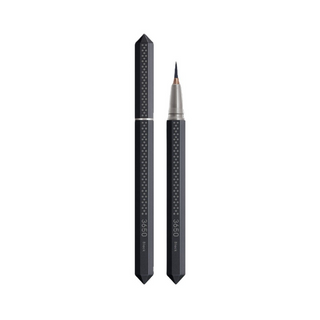
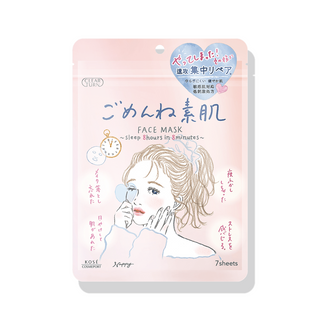
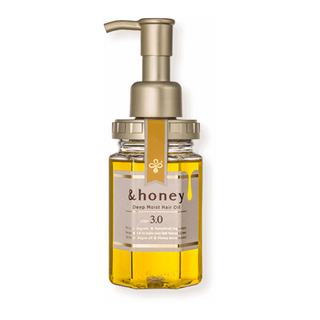

In the U.S., the term Clean Beauty is everywhere. Many retailers now curate dedicated “clean” sections, each with its own definition of what qualifies and what doesn’t. With this in mind, we at Rei Cosmetics set out to clearly define Clean Skincare and Clean Haircare categories for our customers. Our goal was simple: to highlight products that exclude certain ingredients that may raise concerns for skin health or the environment with long-term use.
As we quickly discovered, defining “clean” is not as straightforward as it sounds.
Japanese Skincare & Haircare Already Exceed U.S. Standards
Before diving into our own definition, it’s important to start with context:
Japanese cosmetic regulations are already among the strictest in the world. Many ingredients that are controversial or labeled “not clean” in the U.S. are either fully banned in Japan or permitted only at extremely low levels.
Below are a few examples of ingredients that are banned in Japan but still allowed in the U.S.:
Ingredients Banned in Japan but Allowed in the U.S.
1. Selenium Sulfide
- Japan: Prohibited in cosmetics due to toxicity concerns
- U.S.: Allowed in over-the-counter dandruff shampoos at regulated concentrations
2. Hydroquinone
- Japan: Not permitted in cosmetic products; restricted to medical use
- U.S.: Allowed in cosmetic skin-lightening products (with regulatory limits)
3. Formaldehyde / Formalin
- Japan: Completely banned due to carcinogenic and irritation risks
- U.S.: Not explicitly banned; may be used as a preservative or released from other ingredients
4. Chlorphenesin (and certain older preservatives)
- Japan: Prohibited as a cosmetic preservative
- U.S.: Still permitted in cosmetic formulations
5. Certain Tar Colors & Synthetic Dyes
- Japan: Many synthetic tar dyes are prohibited
- U.S.: Allowed if approved as FDA color additives
Furthermore, while Japan does not have a complete legal ban on all microplastics, most major Japanese manufacturers have voluntarily eliminated them, supported by government guidance and strong consumer expectations.
Ingredient Alternatives Used in Japan
Rather than relying on these restricted ingredients, Japanese formulations often use natural or biodegradable alternatives that provide similar benefits, such as:
- Kojic Acid instead of Hydroquinone
- Rice Powder instead of microplastics
- Botanical Actives instead of Selenium Sulfides
This approach reflects a broader philosophy in Japanese beauty: gentle efficacy without unnecessary risk.
The Biggest Difference: How Regulations Are Enforced
One of the most important and least discussed differences between Japan and the U.S. is regulatory enforcement.
In Japan:
- Cosmetics must be safe for their intended use, even if an ingredient is not explicitly listed as banned
- Ingredient analysis and testing are conducted at facilities designated by the Ministry of Health, Labour and Welfare
- Testing protocols are clearly defined and strictly enforced
In contrast, in the U.S.:
- The FDA bans only a small number of cosmetic ingredients by name
- The FDA does not have the authority to routinely test cosmetic products (except for color additives)
- There is no standardized testing requirement for most cosmetic ingredients
Because Japan uses a negative list plus a safety requirement system, ingredients not explicitly banned can still be prohibited in practice if they pose a safety risk. This framework is a major reason Japan is widely regarded as having some of the strictest cosmetic regulations globally.
Defining Clean Beauty at Rei Cosmetics
With all of this in mind, we set out to define a standard of Clean Beauty that goes beyond what Japanese regulations already require.
What we found during our research was that Clean Beauty has no universal definition. Different retailers and organizations apply different criteria.
After months of evaluating ingredient standards across platforms such as EWG, INCIDecoder and Skinsort, we reviewed every skincare and haircare product we carry and created definitions we believe meet or exceed U.S. Clean Beauty standards.
Clean Skincare products are free of:
- Formaldehyde - potential irritation and cancer risk
- Phthalates - potential endocrine disruptor
- Triclosan - potential endocrine disruptor and antibiotic resistance
- MI/MCI - potential allergic reactions
- Microplastics (including carbomer, dimethicone, acrylates copolymer) - potential irritation and environmental harm
Of these categories, microplastics are the only group not fully banned or restricted in Japan. While the microplastics occasionally used in Japanese cosmetics are liquid polymers (not solid microbeads), we chose to take an abundance-of-caution approach and exclude products containing even trace amounts.
Clean Haircare products are free of:
- Sulfates - potential irritation and environmental harm
- Alcohol - potential irritation
- Silicones - potential build-up
- Parabens - potential irritation and endocrine disruptor
- Salicylic Acid - potential irritation
- Isopropanol - potential irritation
Most Japanese haircare products already avoid many of these ingredients or use them only at very low, regulated levels. However, for the purpose of our Clean label, we chose not to designate a product as “clean” if it contains any of these ingredients at all.
What This Means for You
As you browse our site, you’ll now see Clean Skincare and Clean Haircare labels to help guide your choices.
That said, this process ultimately reinforced what we already believed:
Japanese beauty products are, by default, cleaner and more rigorously regulated than most products on the U.S. market.
All products we carry are tested, vetted, and manufactured by established Japanese brands for safe daily use. Our Clean labels are simply an added layer of transparency for those who want to go above and beyond.
If you ever have questions about why a product is or isn’t labeled “clean,” we’re always happy to walk you through our thinking.