




Japanese beauty has always existed at the intersection of art and ritual. Long before the rise of skincare routines, sheet masks, or cosplay makeup, beauty in Japan was deeply performative, symbolic, and intentional. Few art forms embody this more powerfully than kabuki.
Kabuki isn’t just theater - it’s a visual language. Every line, color, and gesture carries meaning. And its influence still quietly shapes modern J-beauty today.
Kabuki Makeup as Storytelling
Kabuki makeup, or kumadori, was never about enhancing features for realism. It was about amplification. Faces became canvases, designed to communicate character, emotion, morality, and fate from the back row of a theater.
- Red lines symbolized strength, passion, and heroism
- Blue or indigo conveyed jealousy, fear, or villainy
- White foundation erased individuality, allowing the actor to fully transform
This approach of using makeup as narrative rather than decoration laid the foundation for how beauty is viewed in Japan: not as disguise, but as expression.
Precision, Discipline, and Craft
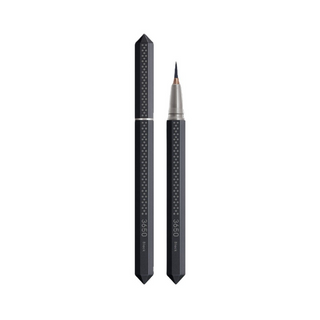
Kabuki actors spend years perfecting the application of their makeup. The process is methodical and meditative, often performed by the actor himself. This respect for technique and repetition mirrors what we see in J-beauty today: carefully engineered formulas, specialized tools, and an emphasis on mastery over excess. Modern Japanese mascaras, eyeliners, and brushes reflect this same philosophy. Precision isn’t optional; it’s the point.
The Ritual of Transformation
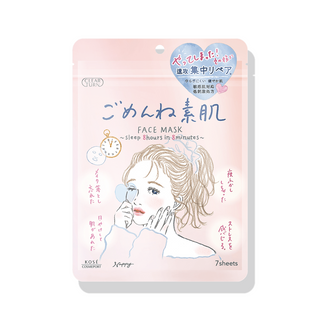
The recent film Kokuho captures this beautifully. Rather than focusing solely on performance, the movie lingers on the process - the preparation, the quiet moments backstage, the weight of tradition passed from one generation to the next. Makeup in Kokuho isn’t vanity; it’s a rite of passage. That sense of ritual still defines J-beauty. Skincare and makeup routines are not rushed or utilitarian. They’re moments of care, discipline, and respect for the craft and for oneself.
Beauty as Cultural Continuity
Kabuki reminds us that beauty isn’t just about trends - it’s about continuity. It’s about honoring what came before while refining it for the present. J-beauty didn’t emerge in isolation; it evolved from centuries of art, performance, and craftsmanship.
In that way, every precise eyeliner flick, every thoughtfully designed brush, and every intentional routine carries a quiet lineage back to the kabuki stage, where beauty was never just seen, but felt.