



In Japan, the New Year is a time to pause, clear space, and reset everyday routines.
In the weeks leading up to January, families practice ōsōji, a thorough end-of-year cleaning. Closets are emptied, kitchens are scrubbed, and unnecessary items are cleared away. The idea is simple: you don’t carry last year’s mess into the new one. Once the space is clean, the new year can begin lighter and more organized.
That same mindset shows up clearly in Japanese beauty. Instead of dramatic overhauls or complicated routines, Japanese skincare and haircare focus on systems that fit into daily life. Products are chosen because they work consistently, feel good to use, and make everyday care easier to maintain.
Double Cleansing (W Cleansing): The Japanese Way to Start Fresh
One of the most foundational steps in Japanese skincare is double cleansing, also known as W cleansing. Double cleansing starts with a gentle makeup remover or cleansing oil to break down sunscreen, makeup, and excess sebum. The second cleanse uses a water-based cleanser to wash away sweat, dust, and everyday residue, leaving skin truly clean and ready for hydration and treatment.
Step One: Remove Makeup and Sunscreen
Used on dry skin to dissolve buildup:
Rice Made Plus Cleansing Lotion, applied with a cotton pad for gentle wipe-off cleansing
FANCL Mild Cleansing Oil for thorough yet low-irritation removal
Biore Makeup Remover Perfect Oil for quick removal of heavier makeup and sunscreen
Step Two: Cleanse the Skin
Follow with a gentle cleanser:
Kikumasamune Japanese Sake Face Wash for a hydrating daily cleanse
Cow Brand Mutenka Foaming Facial Cleanser for sensitive skin
FANCL Pure Moist Cleansing Foam for a soft, cushiony foam
This two-step approach keeps skin clean without being stripped, which is why it has remained a cornerstone of Japanese routines for decades.
Why Hydration Sits at the Center of J-Beauty
One of the defining features of Japanese skincare is the central role hydration plays in daily routines. Historically, Japanese skincare focused on maintaining the skin’s condition, using hydration to support the skin before introducing corrective steps. This keeps routines light, repeatable, and easier to maintain.
In Japan, hydration is treated as its own step. Lightweight silky lotions are applied morning and night to keep skin consistently comfortable and balanced through seasonal changes. Products like Kikumasamune Japanese Sake Lotion, Hada Labo Shirojyun Hydrating Lotion Moist, Naturie Hatomugi Skin Conditioner deliver water-based hydration that layers easily and fits into everyday routines.
This is followed up by Moisturizing creams such as Kikumasamune Japanese Sake Cream, Derma Laser VC100 Gel Cream, and Naturie Hatomugi Moisturizing Gel to lock in the hydration.
Hydration for Hair, Too
Hair care follows the same philosophy: consistent moisture, applied simply.
After shampooing:
&honey Melty Moist Repair Hair Pack 1.5 smooths and softens without weighing hair down
Tsubaki Premium Moist Hair Treatment restores natural moisture and luster.
BOTANIST Botanical Hair Mask (Deep Damage Repair Balm) repairs internal damage and keep moisture locked in
Once outside the shower, use hair oils and hair balm to lock in the hydration
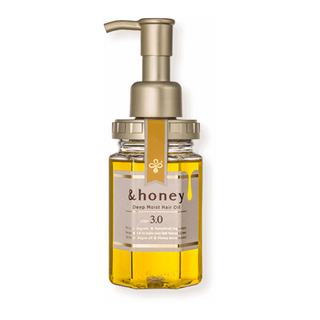
&honey Melty Moist Repair Hair Oil 3.0 deeply moisturizes and smooths your hair
BOTANIST Botanical Hair Oil (Moist) deeply hydrates without the greasiness
BOTANIST Botanical Hair Balm (Kinmokusei & Fig) smooths ends and adds polish in seconds.
A Reset That Lasts Past January
Japanese beauty works because it focuses on what’s sustainable:
- Clearing away what you don’t need
- Keeping skin and hair consistently hydrated
- Using products that fit into real routines
Clean, reset, and move forward lighter. Just routines that make sense and last well beyond January.